


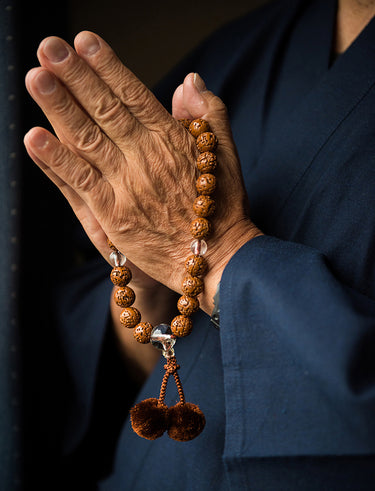
From Temple to Necklace: How Sacred Icons Become Everyday Companions

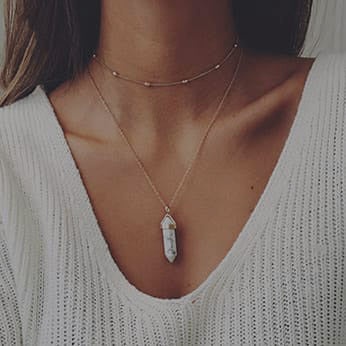
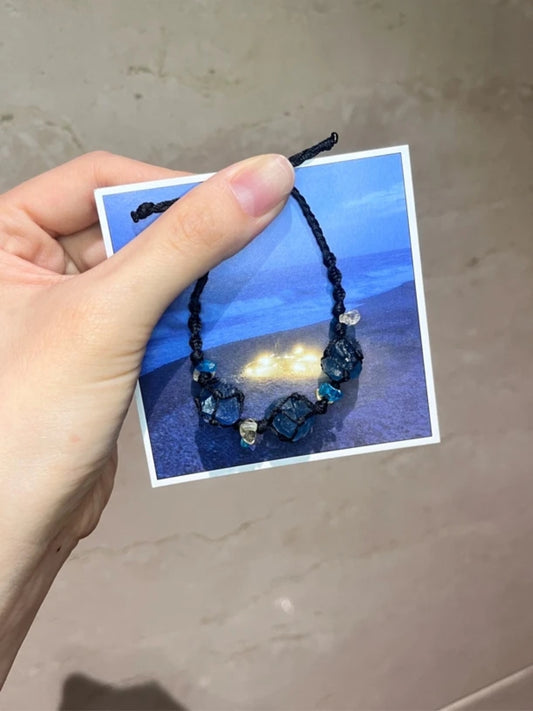
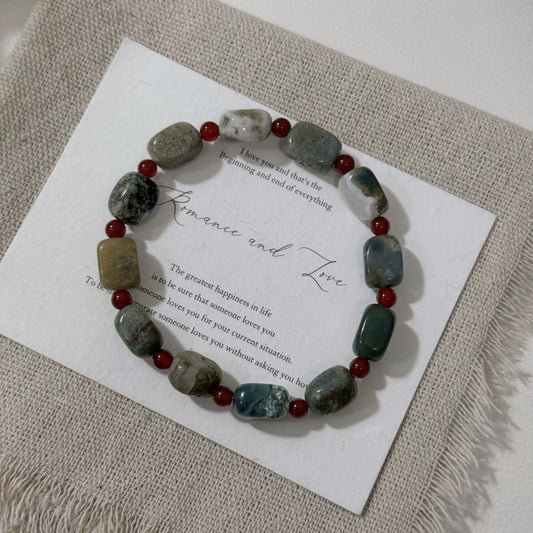
For thousands of years, sacred icons have lived in temples—quiet, luminous, and deeply revered. They stood at the center of rituals, held prayers from countless devotees, and served as reminders of compassion, wisdom, and protection. Yet in modern life, these same symbols have taken on a new, more personal form. Instead of remaining solely in temple halls, they now travel with people—as pendants, amulets, and small pieces of wearable spirituality that rest close to the heart.
This shift isn’t about turning sacred objects into fashion. It’s about bringing meaning into daily life, finding a way to stay connected to something steady and grounding in a world that moves quickly.

Where Sacred Icons Begin
In many Eastern cultures, sacred icons were created to embody the qualities of the divine. A Buddha statue might symbolize compassion and awakening. A bodhisattva figure might represent protection, courage, or guidance. These weren’t abstract concepts; they were felt, revered, and honored through rituals, chants, incense offerings, and mindful devotion.
Temples served as spiritual centers—places where people could breathe more slowly, reconnect with themselves, and find clarity. The icons at their heart became anchors for intention.
So when these motifs began to appear on jewelry or talismans, the purpose remained the same: to bring sacred presence into life's everyday moments.

The Journey From Shrine to Everyday Life
The transition from large temple icons to small personal amulets happened gradually across cultures. Historically, travelers carried miniature statues for safe passage; merchants kept protective symbols tied to their belts; monks carved sacred motifs onto objects used during long journeys.
Over time, these sacred symbols became personal companions. Today, this tradition continues—people wear small icons as reminders of their intentions, values, or prayers. This movement reflects a natural human desire: to keep something meaningful close, even when far from temples or formal spiritual spaces.
This is the essence of daily protection—not as superstition, but as emotional grounding.

Why We Carry Sacred Companions
In a world filled with noise and uncertainty, small symbols can quietly change the way we move through the day. Wearing a sacred icon doesn’t claim to bring miracles; instead, it brings awareness.
People often choose to wear these symbols for reasons such as:
1. A Sense of Inner Steadiness
Touching a pendant during a stressful moment can act like a pause button, reminding the mind to breathe. It provides a subtle feeling of safety, similar to how temples once provided refuge.
2. A Connection to Tradition
Sacred icons are bridges between generations. They carry stories, prayers, and cultural memories. Wearing them keeps this lineage alive in a contemporary, personal way.
3. Carrying Blessings Into Daily Life
In many Asian cultures, blessings aren’t meant to stay in one place. They are meant to accompany you—on the road, at work, during quiet evenings. A wearable symbol allows that blessing to be present wherever life unfolds.
4. A Gentle Guide Toward Mindfulness
Sacred motifs encourage reflection. They remind us to act with compassion, clarity, and intention—values that shape a meaningful spiritual lifestyle.

Sacred Icons as Modern Companions
What makes sacred icons so enduring is their ability to adapt without losing their essence. Whether carved from brass, painted by hand, or sculpted into a necklace, their message remains unchanged.
A temple statue inspires devotion.
A pendant inspires presence.
Both serve as reminders of the qualities we hope to cultivate—patience, courage, kindness, or simply the willingness to slow down.
When worn daily, sacred icons become companions in the quietest sense. They don’t speak loudly, but they support us through routine moments: morning commutes, long workdays, quiet walks home.
Meaning Over Ornament
Today’s interest in sacred jewelry isn’t driven by trends. Instead, it reflects a desire for meaning, grounding, and emotional clarity. Many people are seeking something deeper than aesthetics—something that reconnects them with their inner values and intentions.
A sacred icon doesn’t change who we are. But it gently reminds us of who we want to be.
A Soft, Steady Presence in a Busy World
From the echoing halls of ancient temples to the rhythm of modern daily life, sacred icons continue to offer guidance and peace. Their journey from shrine to necklace reflects a universal truth: people seek connection—to something larger, wiser, and more enduring than themselves.

When worn close to the heart, these symbols become more than adornment. They become quiet companions, offering reassurance and reminding us that even in a fast-moving world, there is always space for intention, calm, and a touch of the sacred.
樣本圖片庫