How to Choose a Crystal Bracelet: 5 Simple Steps

Key takeaways
- To choose a crystal bracelet, start with why you want it: a meaning, a color, a birthstone or simply a look you love.
- Pick one main stone first. Mixing many stones is fine later, but one stone is easier to understand.
- Measure your wrist and add 1–2 cm. Bead size (6, 8 or 10 mm) changes the look a lot.
- Check that the listing names the stone and any treatment, such as heated citrine or dyed beads.
- Quartz stones like amethyst rate 7 on the Mohs scale. Obsidian is softer and more brittle, so treat it gently.
The easiest way to choose a crystal bracelet is to follow five steps: set your intention, pick a stone, choose a bead size, check that the stone is natural and plan how you will wear it. You do not need any special knowledge. You just need a clear reason and a few facts about each stone.
This guide walks you through each step. First, you will match common stones to the meanings people give them. Next, you will learn how to size a bracelet so it fits well. Then you will see how to spot dyed or heat-treated stones. Finally, you get simple care tips so your bracelet lasts.
Table of contents
Why people choose a crystal bracelet
People wear crystal bracelets for many reasons. Some like the color. However, others wear a stone as a reminder of a goal, such as calm, courage or love. Also, many simply enjoy natural materials on the skin.
It helps to be clear about one thing. The meanings of crystals come from tradition and personal belief. Science does not show that stones change health or luck. So when you choose a crystal bracelet, treat the meaning as a personal symbol. That way, you enjoy the stone without false promises.
With that in mind, the steps below focus on what you can control: the stone, the fit, the quality and the care.
Step 1: Know why you choose a crystal bracelet
Start with one question: why do you want this bracelet? In fact, your answer will guide every other choice. For example, you may want a reminder to stay calm at work. Or you may want a gift that says "I love you".
Here are common reasons people choose a crystal bracelet:
- Love and kindness: many people pick rose quartz.
- Calm and clear thinking: amethyst is a classic choice.
- Confidence and focus: tiger's eye is popular.
- Protection and grounding: black obsidian and hematite are common picks.
- Abundance and optimism: citrine and green aventurine are often chosen.
- Birthday: a birthstone, such as amethyst for February.
Also, it is fine to choose by look alone. If a color makes you happy, that is a good reason. After all, you will wear it every day.
Step 2: Pick your stone
Next, narrow your list to one main stone. That is because one stone is easier to style and understand. Below are the stones most people meet when they first choose a crystal bracelet.
Rose quartz
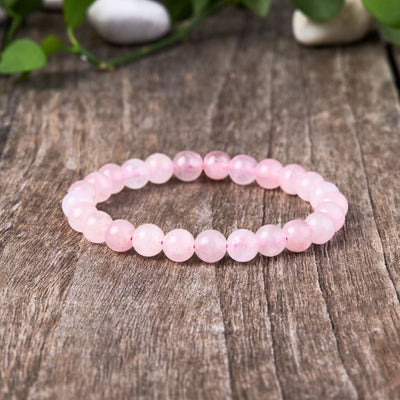
To begin with, rose quartz is pink quartz. In crystal lore, it stands for love, self-care and gentle feelings. Because it is quartz, it is fairly hard and good for daily wear. However, strong sun can fade some pink stones over time, so do not leave it on a sunny windowsill.

Amethyst
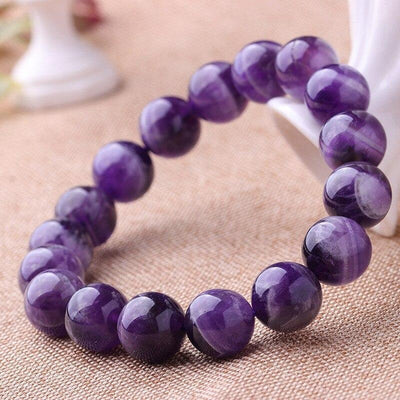
Next, amethyst is purple quartz. The GIA amethyst overview lists its Mohs hardness as 7. It is also the February birthstone. In lore, amethyst stands for calm and clear thinking. In fact, its name comes from a Greek word linked to sobriety.
The GIA care guide adds a useful warning. Some amethyst color can fade with long exposure to intense light, and sudden heat can crack it. So keep it out of hot cars and saunas.

Citrine
Similarly, citrine is yellow to orange quartz. It is linked with abundance and optimism. However, there is a key fact to know before you choose a crystal bracelet with citrine. According to the GIA citrine description, natural citrine is rare. Most citrine on the market is heated amethyst.
Heated citrine is still real quartz. It is not fake. Still, a good seller should say "heat-treated" when it is. Also, a 2020 study in Scientific Reports showed how amethyst color shifts toward citrine at higher temperatures.
Tiger's eye
Tiger's eye shows silky, moving bands of gold and brown. Blue versions are often called hawk's eye. In lore, tiger's eye stands for courage and focus. It is a quartz-based stone, so it holds up well to daily wear.
Black obsidian
Obsidian is natural volcanic glass, not a crystal. Geology.com gives it a hardness of about 5.5, which makes it easy to scratch. It is also brittle. So when you choose a crystal bracelet in obsidian, plan to take it off for sports and heavy work. In Chinese tradition, obsidian is often carved into Pixiu charms for protection.

Crystal meanings at a glance
This table sums up how to choose a crystal bracelet by stone. The hardness values come from GIA and geology sources. The meanings are traditional associations, not proven effects.
| Stone | Color | Traditional meaning | Mohs hardness | Care note |
|---|---|---|---|---|
| Rose quartz | Pink | Love, kindness | 7 | Avoid strong sun |
| Amethyst | Purple | Calm, clarity | 7 | Avoid heat and long sun |
| Citrine | Yellow to orange | Abundance, optimism | 7 | Often heat-treated; ask |
| Tiger's eye | Gold-brown bands | Courage, focus | About 7 | Easy daily wear |
| Black obsidian | Black glass | Protection, grounding | About 5.5 | Brittle; avoid knocks |
| Green aventurine | Green with sparkle | Luck, growth | About 7 | Easy daily wear |
| Jade | Green or white | Harmony, protection | 6 to 7 | Very tough |
As you can see, most popular bracelet stones are quartz. That is good news. Quartz rates 7 on the Mohs scale, so it resists scratches from daily life better than softer stones.
Step 3: Choose bead size and fit for your crystal bracelet
Fit matters more than most people expect when they choose a crystal bracelet. A bracelet that is too tight digs in. A bracelet that is too loose slides and bumps into things. So measure before you choose a crystal bracelet.
- Wrap a soft tape measure around your wrist, just below the wrist bone.
- Note the number in centimeters.
- Add 1 cm for a snug fit, 1.5 cm for a comfy fit or 2 cm for a loose fit.
If you have no tape, use a strip of paper. Mark where it overlaps, then measure the strip with a ruler. Our bracelet size chart shows the full method with pictures.
How bead size changes the look
| Bead size | Look | Best for |
|---|---|---|
| 6 mm | Fine and delicate | Small wrists, stacking |
| 8 mm | Classic, balanced | Most people, daily wear |
| 10 mm | Bold | Larger wrists, statement look |
| 12 mm | Very bold | Single, eye-catching piece |
Bigger beads also need a little more length. That is because large beads sit further from the wrist. So if you pick 10 mm beads, lean toward the "comfy" or "loose" fit.
Step 4: Check it is natural
Now check the stone itself. After all, this step protects your money. Many cheap bracelets use dyed stone or glass. Those are fine as fashion pieces, but they should be labeled honestly.
- Read the material line. A good listing names the stone, such as "natural amethyst".
- Look for treatment notes. "Heat-treated", "dyed" or "stabilized" are honest labels.
- Check the color. Natural stones vary from bead to bead. Perfectly identical, very bright color can mean dye.
- Look for tiny flaws. Natural stones often show small lines or cloudy spots.
- Feel the temperature. Natural stone usually feels cool at first touch; plastic feels warm.
Also note that some stones are grown in labs. The GIA notes that synthetic amethyst has been known since the 1970s. Lab-grown stones are real quartz, but sellers should say so.
Finally, buy from a store with clear photos and a fair return policy. That way, you can check the bracelet in daylight at home. If it does not match the listing, you can send it back.

Step 5: Plan daily wear and care
Even after you choose a crystal bracelet well, it needs care. A little care keeps beads bright and cords strong. Here is a simple routine:
- Take the bracelet off before you shower, swim or exercise.
- Wipe it with a soft, dry cloth after wear.
- Clean it now and then with warm water and mild soap, then dry it fully.
- Skip steam and ultrasonic cleaners, which can harm some stones and cords.
- Keep it away from perfume, lotion and cleaning sprays.
- Store it flat in a soft pouch, away from harder jewelry.
Elastic cords stretch over time. So check the cord every few months. If it looks thin or loose, have it restrung. That is cheaper than losing beads on the street.
Which wrist should you use?
There is no strict rule. Some traditions say the left hand "receives" and the right hand "gives". So people who want to attract something wear the stone on the left. However, comfort matters most. Many people wear a bracelet on the hand they do not write with, so it bumps less.

What to spend when you choose a crystal bracelet
Price depends on the stone, its quality and the work behind the piece. For example, a simple quartz bead strand usually costs less than a carved jade or silver piece. So set a budget before you choose a crystal bracelet. That keeps the choice simple.
- Entry level: one stone on an elastic cord. Great as a first bracelet or a small gift.
- Mid range: higher-grade beads, a metal charm or a hand-knotted cord.
- Premium: rare stones, sterling silver or gold-plated parts, or carved jade.
In short, a higher price should buy you something you can see: better stone, better metal or better craft. If a listing cannot explain the price, ask. A good seller will tell you what you are paying for.
Stacking: how to choose a crystal bracelet set
Once you have one bracelet, you may want more. In that case, stacking is fun and easy. Here are a few tips for when you choose a crystal bracelet to stack:
- Keep one color family, such as pinks and purples, for a calm look.
- Mix bead sizes, such as one 8 mm and one 6 mm strand.
- Add one metal or charm piece as a focal point.
- Keep softer stones, like obsidian, away from harder ones to avoid scratches.
Some people also pair stones by meaning. For example, rose quartz with amethyst is a popular "calm and kind" pair. Tiger's eye with obsidian is often worn for "courage and protection". Again, these are traditions, so follow what feels right to you.

Common mistakes when you choose a crystal bracelet
Most problems come from a few simple mistakes. Avoid these, and you will choose a crystal bracelet you love for years.
- Choosing by meaning only. If you do not like the color, you will not wear it.
- Guessing your size. Measure first; it takes one minute.
- Ignoring treatment. Ask whether a stone is dyed or heated.
- Wearing it everywhere. Water, sweat and knocks wear out cords and soft stones.
- Expecting magic. Treat the stone as a reminder of your goal, not a guarantee.
How to choose a crystal bracelet as a gift
A crystal bracelet makes a thoughtful gift because you can match it to the person. So start with what you know about them.
- Birthday: choose their birthstone, such as amethyst for February.
- New job: tiger's eye or citrine for confidence and a fresh start.
- Hard time: amethyst or jade as a calm reminder.
- Partner: rose quartz, or a matching pair of bracelets.
If you do not know their wrist size, choose an adjustable cord bracelet or an 18 cm stretch bracelet, which fits many adults. Also, include a small card that explains the stone's meaning. That turns a pretty object into a personal message.
For more ideas, read our guides to the 7 chakra colors and jade vs jadeite. You can also compare popular stones in our chakra stones guide.
Find your first crystal bracelet
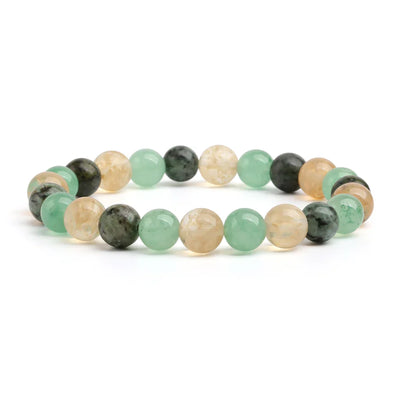
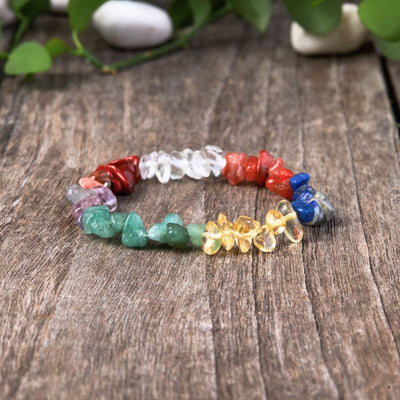
Start with the Rose Quartz Love Bracelet, the Amethyst Bracelet or a mixed Triple Prosperity Bracelet. Browse more in our bracelet collection.
Key Terms Explained
- Mohs hardness: A 1–10 scale of scratch resistance. Quartz rates 7.
- Heat treatment: Heating a stone to change its color, common for citrine.
- Dyed stone: A stone colored with dye; it should be labeled as dyed.
- Bead size: The bead diameter in millimeters, such as 6, 8 or 10 mm.
- Intention: The personal goal or meaning you link to a stone.
Frequently Asked Questions
What is the easiest way to choose a crystal bracelet as a beginner?
Pick one stone whose color you love and whose traditional meaning fits your goal. Then measure your wrist, add 1–2 cm and choose 8 mm beads for a classic look.
Which crystal bracelet is best for everyday wear?
Quartz stones such as amethyst, rose quartz, citrine and tiger's eye rate about 7 on the Mohs scale, so they handle daily wear well. Obsidian is softer and more brittle.
How do I know if my crystal bracelet is real?
Read the material and treatment line, look for natural color variation and small flaws, and buy from a seller with clear photos and returns. For costly stones, ask for a lab report.
Can I wear more than one crystal bracelet?
Yes. Many people stack two or three. Keep softer stones apart from harder ones so they do not scratch.
Should I choose a crystal bracelet for my left or right wrist?
Either wrist is fine. Some traditions favor the left for "receiving", but comfort and safety matter most.
References
- GIA – Amethyst gem overview
- Geology.com – Obsidian
- GIA – Amethyst care and cleaning
- Scientific Reports (2020) – Heat treatment and amethyst color
- GIA – Citrine description
- Wikipedia – Obsidian
- GIA – Is citrine treated?
- Britannica – Obsidian
- GIA – Citrine buying guide
- Jewelers of America – Amethyst gemstone guide
- GIA – February birthstone: amethyst
- International Gem Society – Obsidian
Meanings described here are cultural traditions and personal symbolism. Jewelry is not a substitute for medical, financial or professional advice, and no result is guaranteed.
Which bracelet is right for you? Picks from this guide
Sample Image Gallery