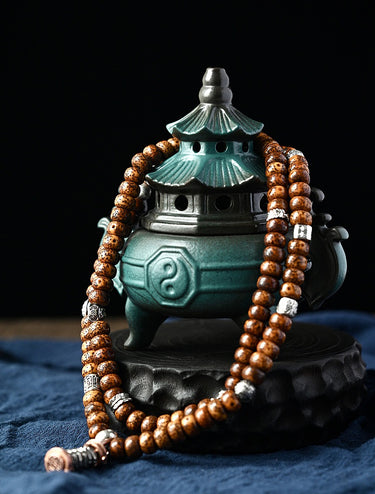

How to Cleanse Feng Shui Items: 7 Safe Methods by Material

Key takeaways
- Cleanse feng shui items in two layers: a physical clean that suits the material, then a symbolic ritual such as smoke, sound, light or intention.
- Hard stones like quartz and agate usually tolerate warm, soapy water; porous stones like turquoise and malachite need only a damp cloth.
- Smoke cleansing has roots in many cultures, including Indigenous ceremonies; use it respectfully and never leave a flame unattended.
- Common times to refresh your pieces are when you bring them home, at the Lunar New Year, or after a stressful period.
- Ritual cleansing is a cultural tradition. It renews your intention; it is not a guarantee of luck or health.
To cleanse feng shui items, first clean them gently in a way that suits their material, then refresh them with a simple ritual such as incense smoke, the sound of a bowl, moonlight or a quiet intention. In feng shui, objects are thought to collect stale energy over time. Above all, the ritual is a moment to reset your space and your purpose.
This guide covers both layers. First, you will find a material-by-material care table based on advice from gem labs. Next, we explain each traditional method, where it comes from and how to do it safely.
Table of contents
- Why people cleanse feng shui items
- When to cleanse them
- Step one: a material-safe clean
- Smoke cleansing
- Sound cleansing
- Moonlight and sunlight
- Salt, earth and intention
- By type of item
- A simple monthly routine
- Broken or inherited pieces
- Fire and household safety
- Common mistakes
- Frequently Asked Questions
- References
Why people cleanse feng shui items
National Geographic describes feng shui as the ancient Chinese art of arranging space to achieve harmony and balance. Within that tradition, energy, or qi, should flow freely. As a result, many people believe that objects which sit in one place for a long time gather stagnant energy.
Cleansing feng shui items is the custom of clearing that energy away. In practice, it has two parts. One part is ordinary care: dust and skin oils dull a stone or a metal surface. The other part is symbolic: a ritual that marks a fresh start.
It is fair to keep this in perspective. Wikipedia notes that feng shui makes claims that cannot be tested scientifically. In other words, the value of a cleansing ritual lies in attention and intention, not in any measurable force. Still, many people find that caring for their feng shui items makes them feel more connected to their goals.
When to cleanse feng shui items
There is no single rule. However, these are the moments most often named in tradition and in everyday practice:
- When a piece arrives. Many people cleanse new feng shui items before first use, because they have passed through many hands.
- At the Lunar New Year. The spring clean before the festival is a natural time to refresh the whole home.
- After a hard period. For example, after an illness, an argument or a move.
- When it looks dull. A dusty statue or a cloudy bracelet is a practical signal.
- On a routine. Some people choose a monthly or a seasonal schedule, often around the full moon.
In short, choose a rhythm you can keep. A light, regular refresh is easier than a big ritual once a year.

Step one: a material-safe clean for feng shui items
Before any ritual, clean the object itself. This matters more than any method, because the wrong cleaner can damage a stone for good. The Gemological Institute of America (GIA) explains that many colored gems are treated, and that heat, solvents, steam and ultrasonic cleaners can harm those treatments.
| Material | Safe way to clean | Avoid |
|---|---|---|
| Quartz, citrine, amethyst, agate, obsidian | Warm water, mild soap, soft brush; dry well | Long sun exposure for colored quartz |
| Turquoise, malachite, lapis | Wipe with a soft, damp cloth | Soap soaks, acids, heat, ultrasonic |
| Pearls, coral, amber | Wipe gently with a moist cloth | Chemicals, ultrasonic, perfume |
| Jade | Lukewarm water and a soft cloth | Harsh chemicals, sudden heat |
| Brass, bronze, copper | Dry cloth; follow the maker's care note | Abrasives on plated finishes |
| Wood and cord | Dry brush or slightly damp cloth | Soaking, which can warp or weaken it |
According to the International Gem Society, malachite is sensitive to acid, ammonia, heat and hot water. Similarly, GIA warns that turquoise should never be cleaned with steam or ultrasonic machines. The American Gem Trade Association adds that organic gems should simply be wiped with a moist cloth.
Smoke cleansing with incense or herbs
Passing an object through fragrant smoke is one of the oldest ways to cleanse feng shui items. In Chinese homes, incense has long been part of daily offerings. Likewise, burning herbs appears in many other cultures.
Incense
First, light a stick or cone in a stable, heat-proof burner. Then pass each item slowly through the smoke a few times. Many people also walk the smoke around the room afterward, paying attention to corners.
Sage and the meaning of smudging
White sage is popular today, but it is worth knowing its background. Wikipedia describes smudging as a ceremony practiced by some Indigenous peoples of the Americas, and it notes concerns about over-harvesting of wild white sage. So, if you use sage, buy it from cultivated sources and use it with respect. Alternatively, incense, rosemary or cedar from your own tradition work just as well for feng shui items.

Sound cleansing for feng shui items
Sound is a gentle method, and it suits pieces that should not touch smoke or water. To use it, strike a bowl, a bell or chimes near the item. Then let the tone fade completely before you stop.
The history of singing bowls is more complex than many shops suggest. For instance, Wikipedia classifies them as standing bells, an old instrument across Asia. Meanwhile, Tricycle reports that the label "Tibetan singing bowl" is largely modern, and that their use for "singing" became popular in the West after a 1972 album. Even so, the clear tone is a calming way to mark a fresh start.
- First, hold the bowl on your palm or a cushion so it can ring freely.
- Strike once, then circle the rim with the striker.
- Move the sound slowly around the feng shui items or the room.

Moonlight and sunlight
Many people place feng shui items on a windowsill under the full moon overnight. Because moonlight is gentle, this method is safe for most materials. Just bring outdoor items in before rain or frost.
If you live in a city with little night sky, that is fine. Many people simply set their feng shui items near the brightest window, because the gesture matters more than the view. In addition, some prefer the new moon for fresh starts and the full moon for gratitude, so you can match the timing to your intention.
Sunlight is different. GIA notes that strong light over time can fade some gems, such as amethyst, kunzite and topaz. Therefore, keep sun sessions short for colored stones, and skip them for pearls and amber.
Salt, earth and intention
Salt
A bowl of dry salt is a traditional purifier. However, salt can scratch soft surfaces and corrode metal, and porous stones may absorb salty water. A safer option is to set the item beside a small dish of salt rather than inside it.
Earth
Some people bury hard, untreated stones in a plant pot for a day. If you try this, rinse and dry the stone afterward. Also, avoid it for porous stones, metal and anything with a cord.
Intention
Finally, the simplest method needs no tools. Hold the item, take a few slow breaths and state what it represents for you. For example, you might say, "This Pixiu reminds me to save wisely." In many ways, this is the heart of cleansing feng shui items.
How to cleanse feng shui items by type
| Item | Gentle physical care | Suggested ritual |
|---|---|---|
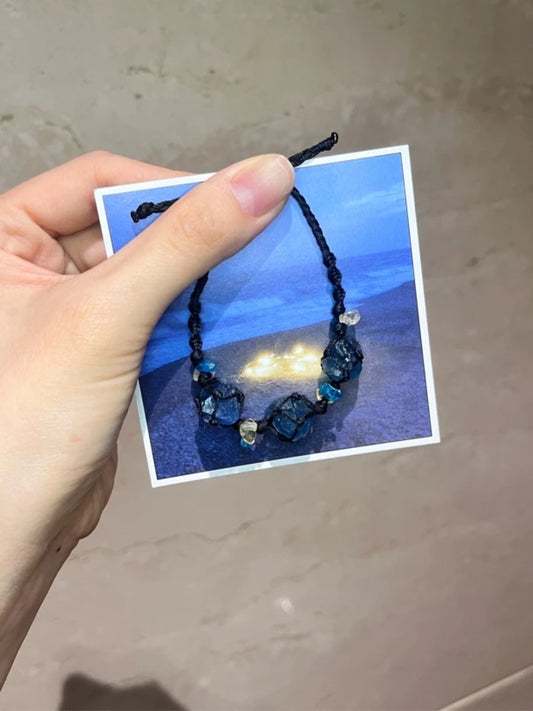
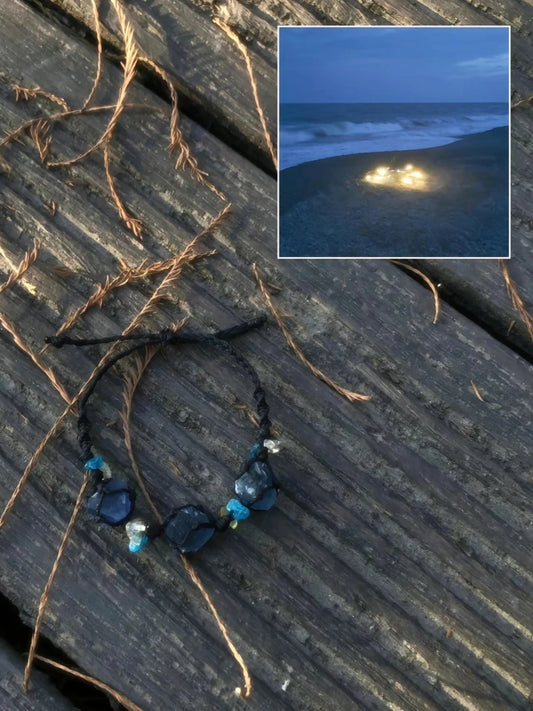
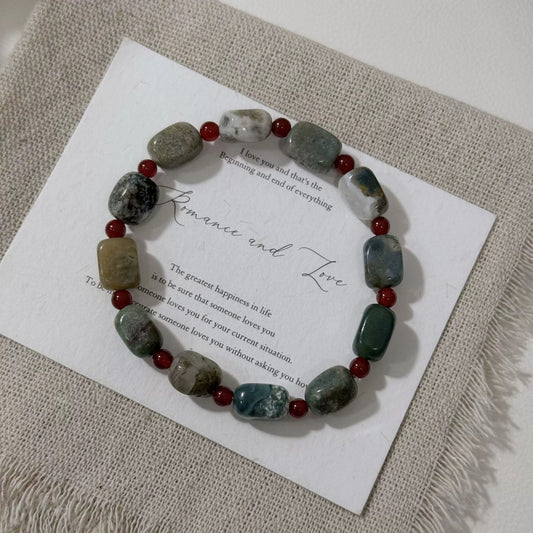
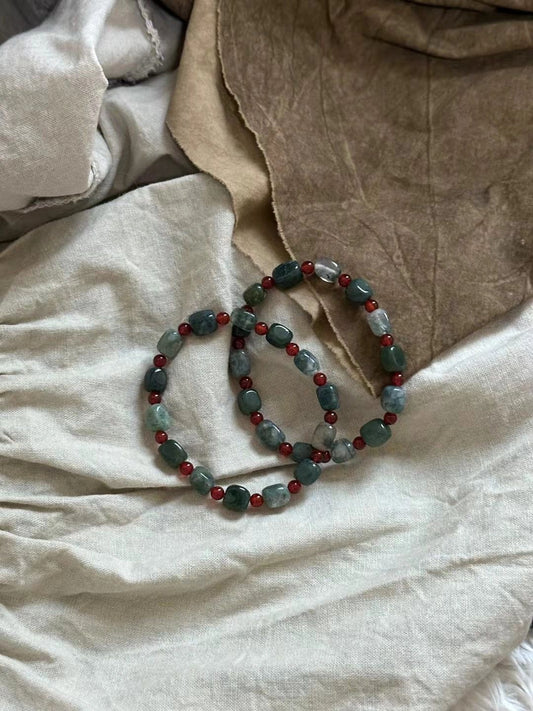
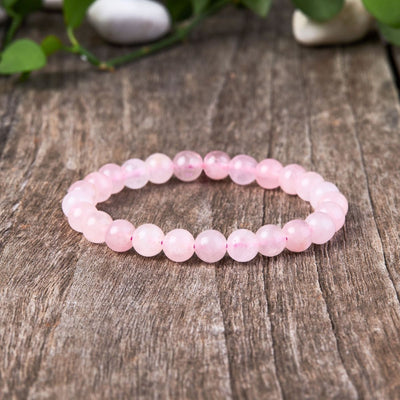
| Crystal or bead bracelet | Material-safe clean; check the cord | Incense, sound or moonlight |
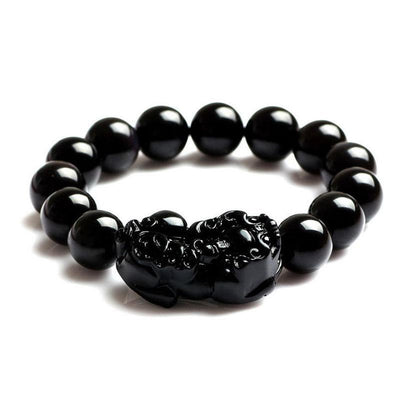
| Pixiu or money frog statue | Dust with a soft brush | Incense or a short intention |
| Coins on red cord | Dry cloth; replace a frayed cord | Smoke or sound |
| Wind chimes | Wipe and check the string | Simply let them ring |
| Mirror | Glass cleaner on a cloth, not sprayed directly | Moonlight or intention |
| Crystal clusters and points | Soft brush for dust | Sound or moonlight |
For bracelets, the cord is often the weak point, so check it each time. Our guides on how to wear a pixiu bracelet and the black obsidian bracelet meaning cover care in more detail.

A simple monthly routine for feng shui items
A routine works best when it is short. So here is a ten-minute plan that many people follow once a month, often on the evening of the full moon.
- Gather. First, collect the feng shui items you want to refresh on one clean tray.
- Inspect. Next, look for loose settings, frayed cords or chips, and set those aside for repair.
- Clean. Then wipe or wash each piece according to the material table above.
- Refresh. After that, use one ritual: a stick of incense, three strikes of a bowl or a night on the windowsill.
- Return. Finally, put each piece back with a clear intention, and note the date if you like.
Because the steps are always the same, the routine becomes calming rather than a chore. It also helps you spot wear early, which protects pieces you value.
Cleansing feng shui items in a shared home or office
In a shared space, consider other people first. For example, some housemates or coworkers dislike smoke, and many offices ban open flames. In that case, sound, moonlight or a quiet intention are kinder choices. Likewise, ask before you move or handle feng shui items that belong to someone else, since many people see them as personal.
Broken or inherited feng shui items
Sooner or later, a bracelet snaps or a statue chips. In feng shui tradition, many people say a broken piece has "done its job" by absorbing misfortune. That is a comforting story, not a fact. Still, it reflects a healthy attitude: thank the object and decide calmly what to do.
- Repair it if the piece matters to you; restringing a bracelet is quick and inexpensive.
- Retire it respectfully, for example by burying natural stones in the garden or returning them to a temple where that is customary.
- Replace it only if you still want the symbol in your life.
Inherited feng shui items deserve a gentle welcome too. Many families simply clean them, share a memory of the previous owner and give them a new place of honor.
Fire and household safety
Any ritual with a flame needs basic fire safety. The U.S. Fire Administration shares candle fire safety guidance, and Massachusetts fire officials advise keeping anything that can burn at least one foot away from a lit candle. In addition, they say never to leave a lit candle unattended.
- Always use a sturdy, heat-proof burner on a stable surface.
- Keep smoke away from curtains, paper and pets.
- Also, open a window so smoke does not build up.
- Put out every ember fully before you leave the room.
Water safety matters too. For instance, do not soak glued pieces, and keep cords away from wet surfaces.
Common mistakes with feng shui items
- Ultrasonic cleaners at home: the GIA advises against them for organic or heat-treated gems.
- Soaking porous stones: Jewelers Mutual notes that soft, porous gems can cloud, scratch or discolor.
- Too much sun: colored stones may fade over time.
- Leaving incense burning: stay with any flame until it is out.
- Treating ritual as a guarantee: cleansing renews intention; it does not promise luck.
Beyond these, the International Gem Society says to keep opal, pearl, turquoise, malachite and amber out of ultrasonic tanks. When in doubt, a soft dry cloth is always safe. To place refreshed pieces well, see how to attract wealth with feng shui.
Overall, caring for feng shui items is a small, steady habit. Clean them kindly, refresh them with a ritual that feels right to you, and the feng shui idea of balance becomes part of daily life.
Tools for a calm cleansing ritual
Explore the Tibetan Singing Bowl, the Bronze Lotus Incense Burner and our feng shui jewelry collection. Each listing names its materials, so you can pick the right care method.
Key Terms Explained
- Qi: In feng shui, the energy that flows through a space and its objects.
- Smudging: A smoke ceremony practiced by some Indigenous peoples of the Americas.
- Standing bell: The instrument family that includes singing bowls.
- Porous stone: A stone, such as turquoise, that can absorb liquids and oils.
- Treated gem: A stone whose color or clarity has been improved, which may need gentler care.
Frequently Asked Questions
How often should I cleanse feng shui items?
Many people refresh them monthly or at each full moon, plus at the Lunar New Year and when a new piece arrives. Choose a rhythm you can keep.
Can I wash feng shui items with water?
Hard stones like quartz and agate usually tolerate warm, soapy water. Porous stones like turquoise and malachite, and organics like pearls, should only be wiped with a damp cloth.
Is moonlight safe for all feng shui items?
Moonlight is gentle and suits most materials. Strong sunlight is different, because it can fade some colored stones over time.
Do I need sage to cleanse feng shui items?
No. Incense, a singing bowl, moonlight or a quiet intention all work. If you use white sage, choose cultivated sources and use it respectfully.
Will cleansing make my feng shui items luckier?
Cleansing is a cultural ritual that renews your intention. It cannot guarantee luck, health or wealth.
References
- National Geographic Education – Feng shui
- Wikipedia – Feng shui
- GIA – Tips on caring for jewelry
- International Gem Society – Gemstone care guide
- International Gem Society – Mechanical gemstone cleaning
- AGTA – Gem grooming tips
- GIA – Turquoise care and cleaning
- Jewelers Mutual – Caring for soft and porous gemstones
- Wikipedia – Smudging
- GIA 4Cs – Gems and ultrasonic cleaners
- Tricycle – Tibetan singing bowls
- Wikipedia – Standing bell
- U.S. Fire Administration – Candle fire safety
- Mass.gov – Candle fire safety
Meanings described here are cultural traditions and personal symbolism. Jewelry is not a substitute for medical, financial or professional advice, and no result is guaranteed.
Which bracelet is right for you? Picks from this guide

Sample Image Gallery